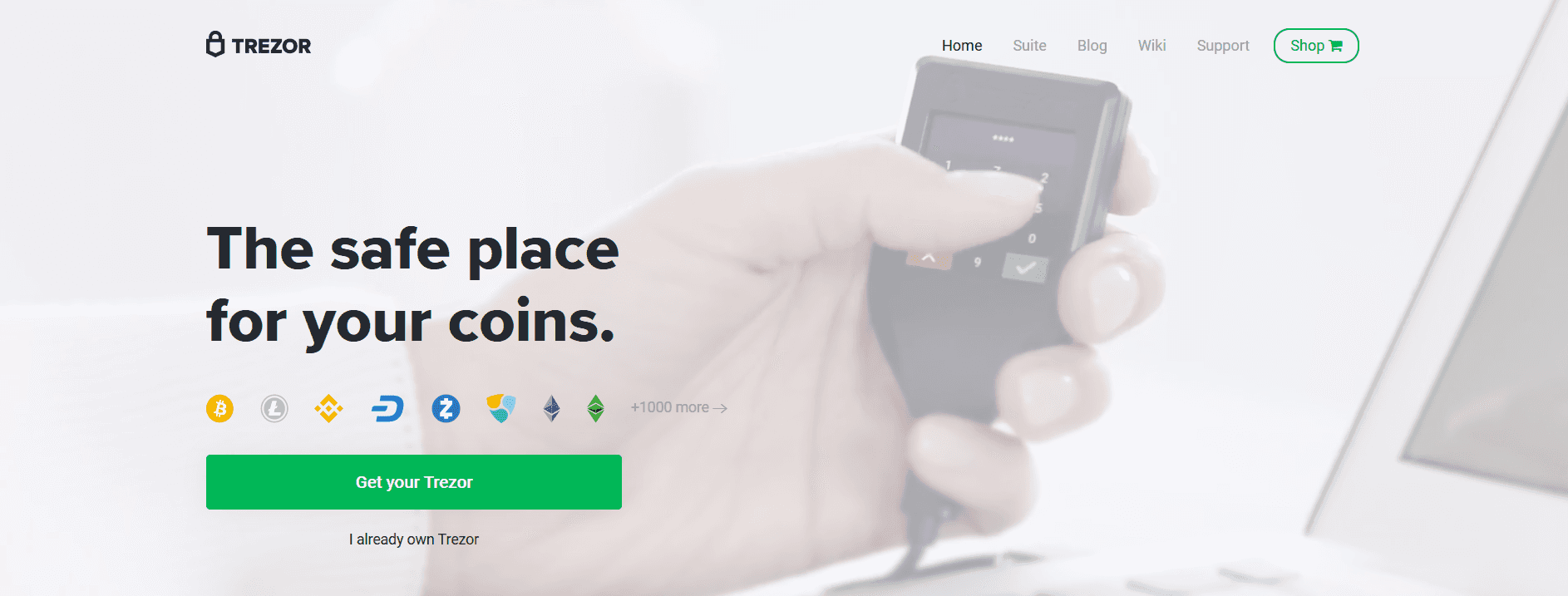
Trezor Suite App – A Secure Interface for True Crypto Ownership
As cryptocurrency becomes more integrated into everyday finance, the need for secure and transparent asset management tools continues to grow. While buying crypto is easy, protecting it is far more challenging. Hacks, phishing attacks, and software vulnerabilities remain common threats. The Trezor Suite App was created to address these challenges by giving users a secure, privacy-focused way to manage digital assets through Trezor hardware wallets.
Rather than acting as a custodial wallet or trading platform, the Trezor Suite App is designed to support true ownership. It allows users to interact with blockchain networks while keeping private keys offline and fully under user control.
What Is the Trezor Suite App?
The Trezor Suite App is the official software interface developed by Trezor for managing cryptocurrencies stored on Trezor hardware wallets. It acts as a visual and functional dashboard that lets users safely monitor and control their assets.
Through the app, users can:
View balances and transaction history
Send and receive cryptocurrencies
Manage multiple accounts
Configure device security settings
Update firmware safely
Improve privacy using built-in tools
The app itself never holds funds or private keys. All sensitive actions must be confirmed on the physical Trezor device.
Why the Trezor Suite App Is Necessary
Hardware wallets are only as secure as the software that interacts with them. Many security failures happen not because hardware is weak, but because users rely on unsafe or unofficial applications.
The Trezor Suite App solves this problem by:
Providing a verified, official interface
Reducing reliance on browser extensions
Preventing silent or automated transactions
Encouraging user verification at every step
It ensures that the benefits of hardware security are not undermined by poor software practices.
Core Principles Behind the Trezor Suite App
Trezor Suite is built around a clear philosophy: security through user awareness.
Its design prioritizes:
Transparency over automation
Verification over convenience
Privacy over data collection
Open-source accountability
These principles guide how features are implemented and how users interact with their assets.
Compatible Trezor Hardware Wallets
The Trezor Suite App supports all current Trezor devices.
Trezor Model One
Original and widely trusted device
Physical buttons for confirmation
Ideal for basic crypto storage
Strong entry-level security
Trezor Model T
Touchscreen interface
Advanced security options
Wider cryptocurrency support
Designed for power users
The app adapts automatically depending on the connected device.
Desktop App vs Web App
The Trezor Suite App is available in two forms, allowing users to choose based on their needs.
Desktop Application
Installed locally on your computer
Less exposure to browser-based attacks
Best choice for long-term storage
Available on Windows, macOS, and Linux
Web Application
Accessible via supported browsers
No installation required
Convenient for temporary access
Still requires hardware confirmation
Both versions rely on the Trezor device for signing transactions.
Getting Started With the Trezor Suite App
The onboarding process is intentionally slow and structured to reduce mistakes.
Device Connection
Connect the Trezor device using USB
Verify firmware integrity
Confirm authenticity on the device screen
Wallet Creation or Recovery
Users can:
Create a new wallet with a fresh recovery phrase
Restore an existing wallet using a backup
All recovery actions take place on the hardware device, not on the computer.
Understanding the Recovery Phrase
The recovery phrase is the most important element of crypto ownership, and the Trezor Suite App reinforces this repeatedly.
Key points emphasized by the app:
The recovery phrase is generated offline
It should never be stored digitally
It grants complete access to funds
Anyone with the phrase controls the wallet
The app encourages careful storage and warns against shortcuts.
Dashboard and Account Management
Once set up, users are presented with a clean and focused dashboard.
The dashboard allows users to:
View total portfolio value
Monitor individual accounts
Track incoming and outgoing transactions
Switch between assets easily
The interface avoids unnecessary clutter and distractions.
Sending and Receiving Cryptocurrency
Receiving Assets
Generate a receive address in the app
Verify the address on the Trezor device
Share only the verified address
This protects against malware that alters clipboard data.
Sending Assets
Enter transaction details in the app
Review fees and recipient information
Confirm everything on the device screen
Approve physically
No transaction can be signed without user confirmation on the hardware wallet.
Built-In Privacy Features
Privacy is a major focus of the Trezor Suite App.
Privacy-enhancing features include:
Optional Tor network routing
Reduced data sharing
No mandatory accounts or logins
Minimal use of external services
These features help protect user identity and transaction metadata.
Advanced Controls for Experienced Users
The app also offers tools for users who want greater control.
Coin Control
Bitcoin users can manually choose which UTXOs to spend, improving privacy and fee efficiency.
Custom Fee Selection
Users can adjust fees manually rather than relying on automatic estimates.
Detailed Transaction Data
Advanced users can inspect raw transaction information before confirming.
Supported Cryptocurrencies
The Trezor Suite App supports a wide range of digital assets.
Popular supported assets include:
Bitcoin (BTC)
Ethereum (ETH)
Litecoin (LTC)
Cardano (ADA)
Bitcoin Cash (BCH)
ERC-20 tokens
Support grows with firmware and software updates.
Firmware Updates and Device Maintenance
Keeping firmware up to date is essential for security.
The Trezor Suite App:
Notifies users of new firmware
Verifies update authenticity
Requires confirmation on the device
Prevents unauthorized updates
Users remain in full control of when updates occur.
Threats the Trezor Suite App Helps Reduce
The app is designed to protect against common crypto risks, including:
Phishing attempts
Fake wallet software
Address-replacement malware
Unauthorized transaction approvals
Compromised computers
The separation between software and hardware is key to this protection.
Trezor Suite App vs Centralized Wallets
Centralized Wallets
Control private keys on behalf of users
Can freeze or restrict access
Attractive targets for hackers
Trezor Suite App
Users control their own keys
No custody of funds
Offline transaction signing
Independence from third parties
This difference defines true self-custody.
Who the Trezor Suite App Is Best For
The app is ideal for:
Long-term crypto holders
Security-focused users
Privacy advocates
Bitcoin and Ethereum investors
Anyone practicing self-custody
It is less suited for high-frequency trading but excels at protection and control.
Learning Curve and User Experience
The Trezor Suite App is approachable for beginners but encourages careful behavior.
Helpful elements include:
Clear warnings before critical actions
Visual confirmations on the device
Simple explanations of security concepts
This approach helps users build safe habits over time.
Best Practices When Using the Trezor Suite App
Always verify details on the device screen
Keep firmware and software updated
Store recovery phrases securely offline
Avoid rushed approvals
Consider passphrase protection
Consistency is essential for long-term security.
Final Thoughts – Why the Trezor Suite App Matters
The Trezor Suite App is not designed for speculation or shortcuts—it is designed for ownership. By combining thoughtful software design with proven hardware security, it provides a reliable environment for managing cryptocurrency responsibly.
In a decentralized financial system where trust must be earned, the Trezor Suite App gives users the tools and confidence to protect their digital wealth on their own terms.